Implant Dentures: A Denture That Stays Put, Removable or Fixed
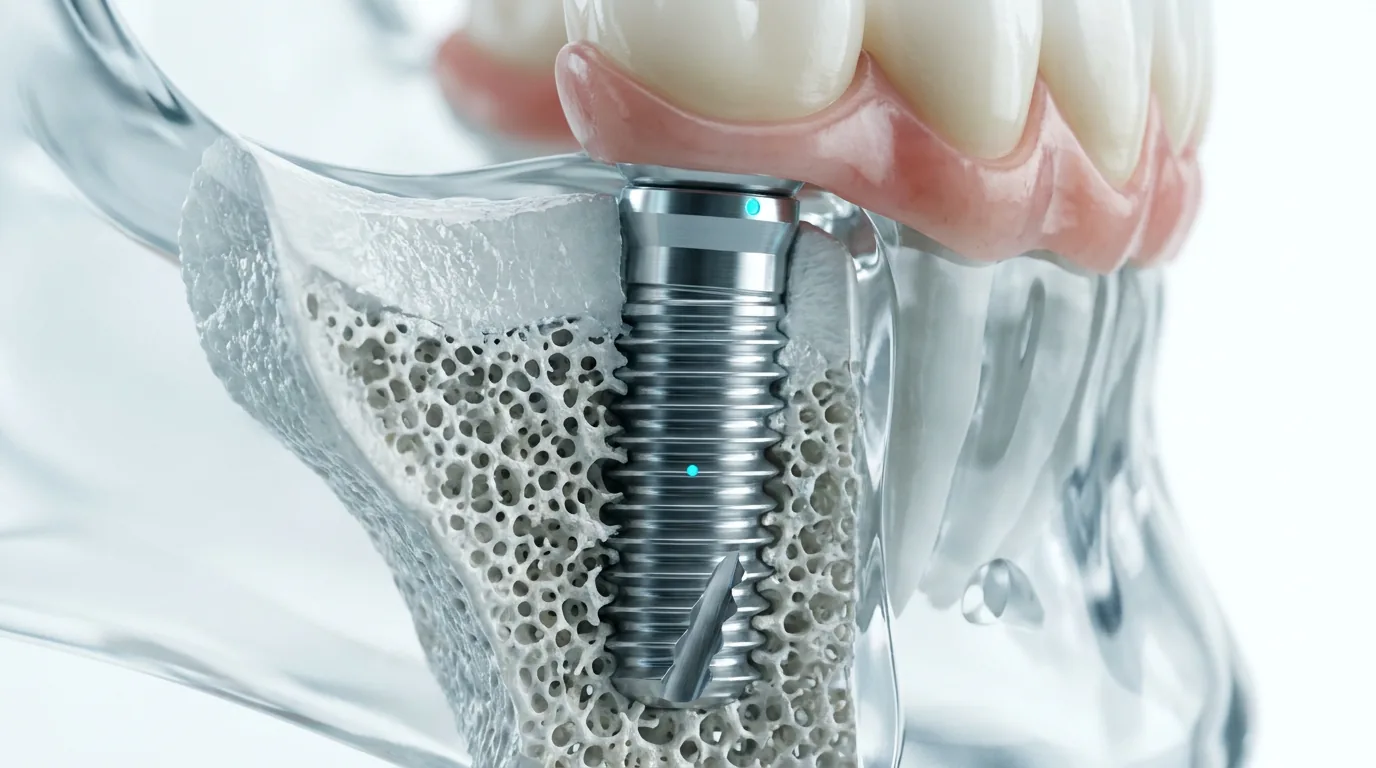
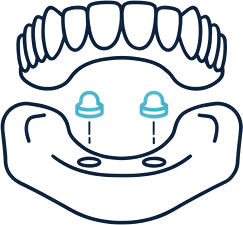
Implant dentures are full dentures held in place by dental implants instead of suction or adhesive. They come in two kinds: removable overdentures that snap onto two to four implants and come out for cleaning, and fixed implant-supported dentures that only the clinic can remove. Both stop the sliding and sore spots of a regular denture.
If you wear a denture, you probably know the routine: adhesive in the morning, avoiding certain foods, a sore spot that comes back, a lower denture that floats when you talk. Implant dentures change that routine. The question is which kind, and that depends less on price than on your bone and on how you want to live with it.
Removable (snap-in) or fixed: the two kinds of implant dentures
Both sit on implants. The difference is who takes them out.
Removable overdenture
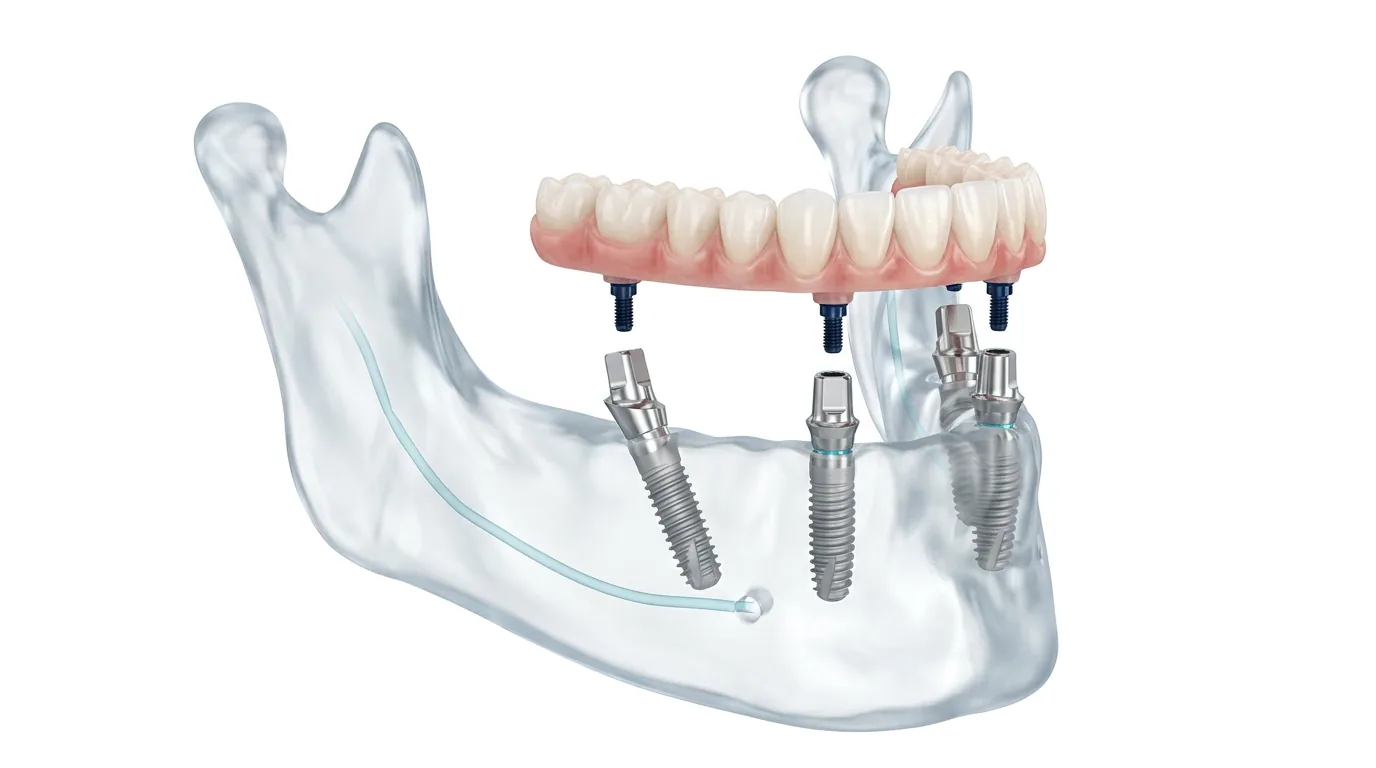
Two to four implants with attachments (locators or a bar). The denture snaps on, holds firmly while you eat and talk, and comes out at night for cleaning. Fewer implants, lower cost, easiest to clean.
Fixed implant-supported denture
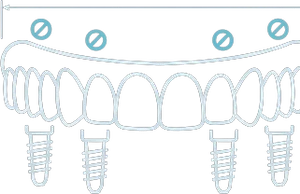
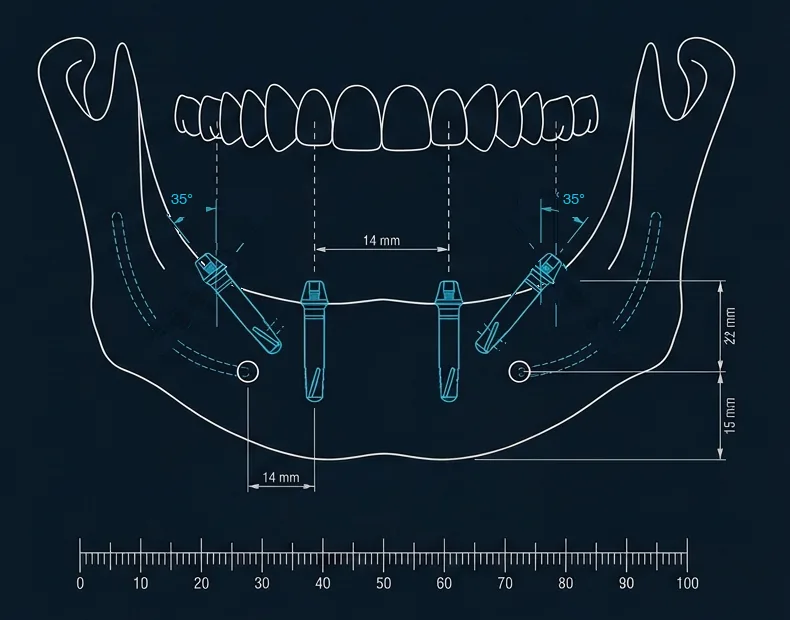
Four to six implants hold a bridge screwed in place. It never comes out at home; you brush and clean under it. Feels closest to natural teeth. This is the family All-on-4 dental implants belong to.
Lower jaw
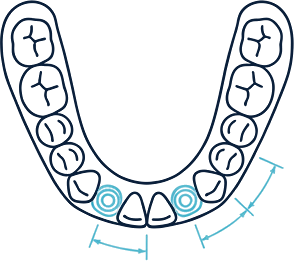
The lower denture is the one that moves most. Since the McGill consensus (opens in a new tab), a two-implant overdenture has been considered the minimum standard for a toothless lower jaw.
Upper jaw
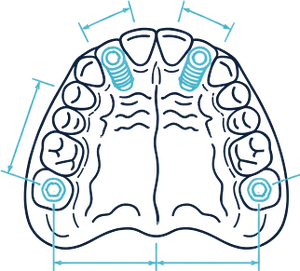
An upper denture holds better on its own thanks to the palate, but softer bone means more implants are usually planned, typically four for a removable one.
Implant supported dentures vs regular dentures
- Stability. A regular denture relies on suction and adhesive. An implant denture is anchored, so it doesn't slide when you bite or laugh.
- Chewing. Most people can eat a wider range of food, including things they had given up.
- Bone. Without roots or implants, the jaw keeps shrinking under a denture, which is why dentures that once fit get loose. Implants load the bone where they sit.
- Comfort. Less pressure on the gums, fewer sore spots, and the upper one can often be made without covering the whole palate.
- Cost and surgery. Implants add surgery and cost. A well-made regular denture is still a valid, affordable option.
Cleveland Clinic has neutral overviews of dentures (opens in a new tab) and of implant-supported dentures (opens in a new tab).

"Permanent dentures": what permanent really means
“Permanent dentures” is the name many people search for, and it usually means a fixed implant-supported denture: teeth that stay in, day and night. That is accurate in one sense: you can’t take them out.
It is not accurate in another. The implants are meant to be long-term, but the teeth on top wear and may need repairs or a new bridge after years of use, especially acrylic. Fixed dentures also need professional cleanings, where the clinic removes and cleans them. A removable overdenture needs its attachments replaced from time to time. Neither is “install and forget,” and anyone who sells it that way is skipping a step.
For the fixed options in depth, see full mouth dental implants.
Which implant denture fits you?
A systematic review comparing fixed and removable implant dentures found satisfaction is high with both, removable ones are easier to clean, and fixed ones tend to score better for stability in the lower jaw (systematic review (opens in a new tab)). In practice:
| Removable (snap-in) | Fixed | |
|---|---|---|
| Implants | 2–4 | 4–6 |
| Comes out at home | Yes, for cleaning and at night | No, only at the clinic |
| Feel | Much more stable than a denture | Closest to natural teeth |
| Bone needed | Least | More, or angled / zygomatic implants |
| Cleaning | Easiest | Brush and clean under it daily |
| Starting price, one arch | Quoted after your scan | from $11,200 (All-on-4, zirconia) |
Already have a denture you like? In some cases it can be adapted to snap onto new implants, which lowers the cost. Ask for it in your evaluation.

When implant dentures need more planning
Years of wearing a denture often mean bone loss. That makes implants harder, not impossible.
- Very thin lower jaw. Short or narrow implants, or a graft, may be planned.
- Upper jaw with little bone. Pterygoid or zygomatic implants can support a fixed denture without a large graft.
- Diabetes or smoking. Not automatic no's, but they change the risk and the plan.
- Gum disease in remaining teeth. It has to be under control first.
How bone loss is measured and every option: dental implants with bone loss. The FDA’s dental implant guide (opens in a new tab) covers general risks.
How implant dentures are made
Planned from home. The number of trips depends on fixed or removable.
- 01

Free evaluation (online).
Send any X-rays or CT scans you already have and a short health history. You get a written answer, not a sales call.
Typically: a reply within 1–2 business days.
- 02

3D CT scan and plan in Tijuana.
The surgeon reviews your bone and explains which option fits and why. You leave with a written, itemized quote.
About 20 miles from downtown San Diego.
- 03

Surgery and temporary teeth.
Implants are placed as planned. When they are stable enough, a fixed temporary bridge goes in the same day or within days.
Typically: one surgical visit.
- 04

Healing, then final teeth.
Bone grows around the implants. Then new scans are taken and your final bridge is made to your face and bite.
Typically: 3–6 months later.

Logistics: dental implants in Tijuana. Price comparisons: dental implant cost in Mexico vs California.
The end of the adhesive routine
Ask long-time denture wearers what they want and very few say “teeth.” They say: to talk without thinking about it, to eat corn on the cob at a barbecue, to laugh without a hand going to their mouth.
Implant dentures are how that happens. Removable or fixed is a detail we figure out together.
Send your scan. Get a written answer. No pressure.

Frequently asked questions
What are implant dentures?
They are full dentures held in place by dental implants. Removable overdentures snap onto two to four implants and come out for cleaning; fixed implant-supported dentures are screwed onto four to six implants and only the clinic removes them.
How many implants do I need for implant dentures?
Typically two for a removable lower denture, four for a removable upper denture, and four to six for a fixed denture. Your bone, your bite and your budget decide.
Are "permanent dentures" really permanent?
They are fixed, so you don’t remove them. The implants are meant to be long-term, but the teeth on top can wear and may need repairs or replacement over the years, and they need professional cleanings.
Snap-in or fixed: which is better?
Neither for everyone. Snap-in dentures need fewer implants, cost less and are easiest to clean. Fixed dentures feel closest to natural teeth. Studies show high satisfaction with both.
How much do implant dentures cost?
A fixed full arch on four implants starts at $11,200 per arch at Implantology. Removable implant dentures are quoted after your scan, because the number of implants and attachments varies.
Can my current denture be used with implants?
Sometimes. If it fits well and is in good shape, it may be adapted to snap onto new implants. We check that in your evaluation.
Keep your teeth where they belong.
Send your X-rays or scan from home and get a written answer: removable, fixed, or something else.
This page is for general information and does not replace a professional evaluation. Every treatment plan depends on an individual clinical examination and imaging. Prices are starting prices in USD and are confirmed in a written quote. Results vary from person to person.