Failed Dental Implant? Signs, Causes and a Second Opinion

A dental implant fails when the bone doesn't bond to it in the first months, or when it loses that bond later, most often because of peri-implantitis, an infection that destroys the bone around it. A failing implant can sometimes be saved. When it can't, it can usually be removed and replaced, sometimes anchored in different bone. Taking failed and turned-down cases is what we do.
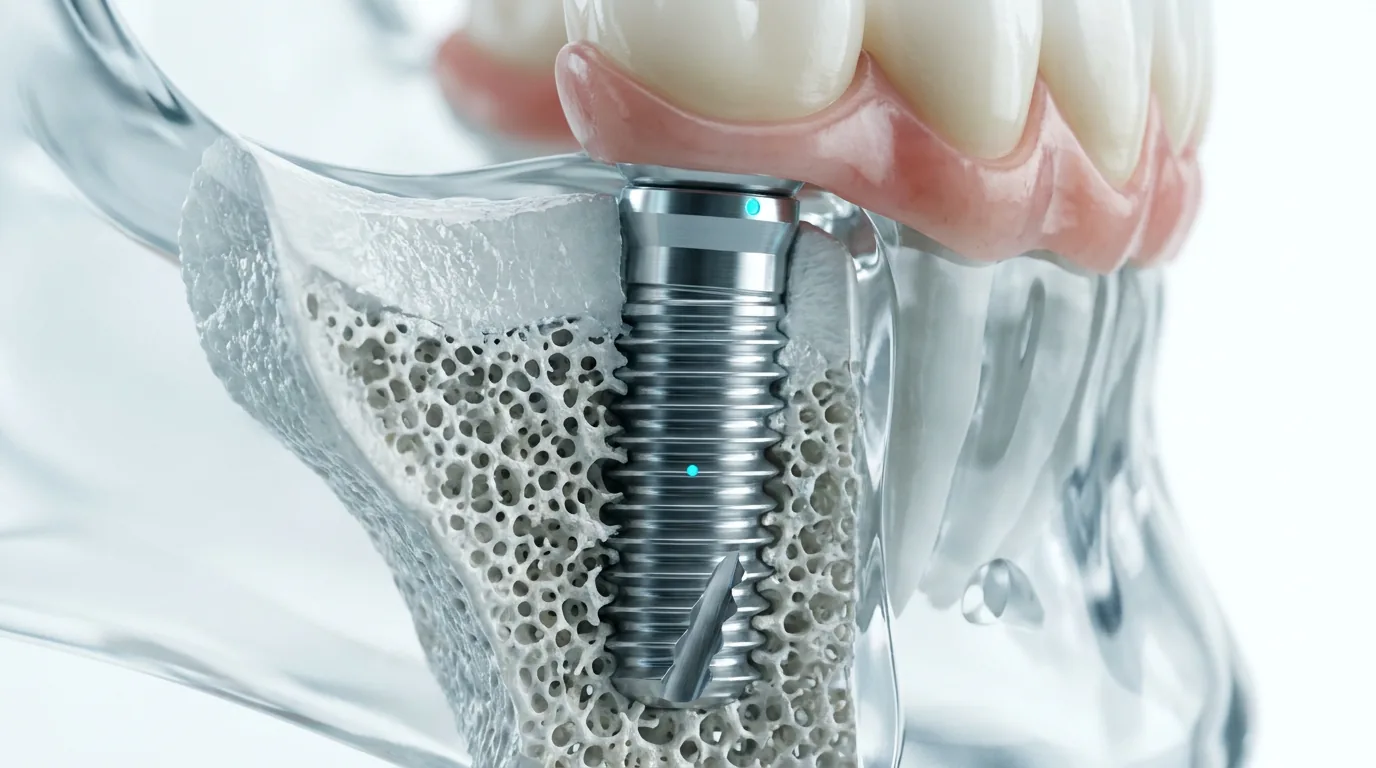
Close-up illustration of bone growing around an implant surface
Illustration. Not a patient case.

Most implants last. Some don’t. A large registry of 158,824 implants reported an overall failure rate of 2.21% (2025 registry study (opens in a new tab)), which is low until the one failing is yours. If that is where you are, you probably feel let down, worried about money and unsure whom to trust. This page explains what may be happening and what can still be done.

Signs of a failing dental implant

Call your dentist or send us your scan if you notice:

  • Bleeding or swelling around the implant when you brush.
  • Pain or pressure when you chew, or a dull ache that returns.
  • Pus, a bad taste or bad breath from that area: signs of a dental implant infection.
  • Gum pulling back or metal threads showing.
  • Movement. A crown that wiggles can be just a loose screw. An implant that moves is a failure.

Peri-implant disease is often silent in its early stages, which is why yearly X-rays and cleanings matter. The American Academy of Periodontology’s patient page on peri-implant diseases (opens in a new tab) describes the signs well.

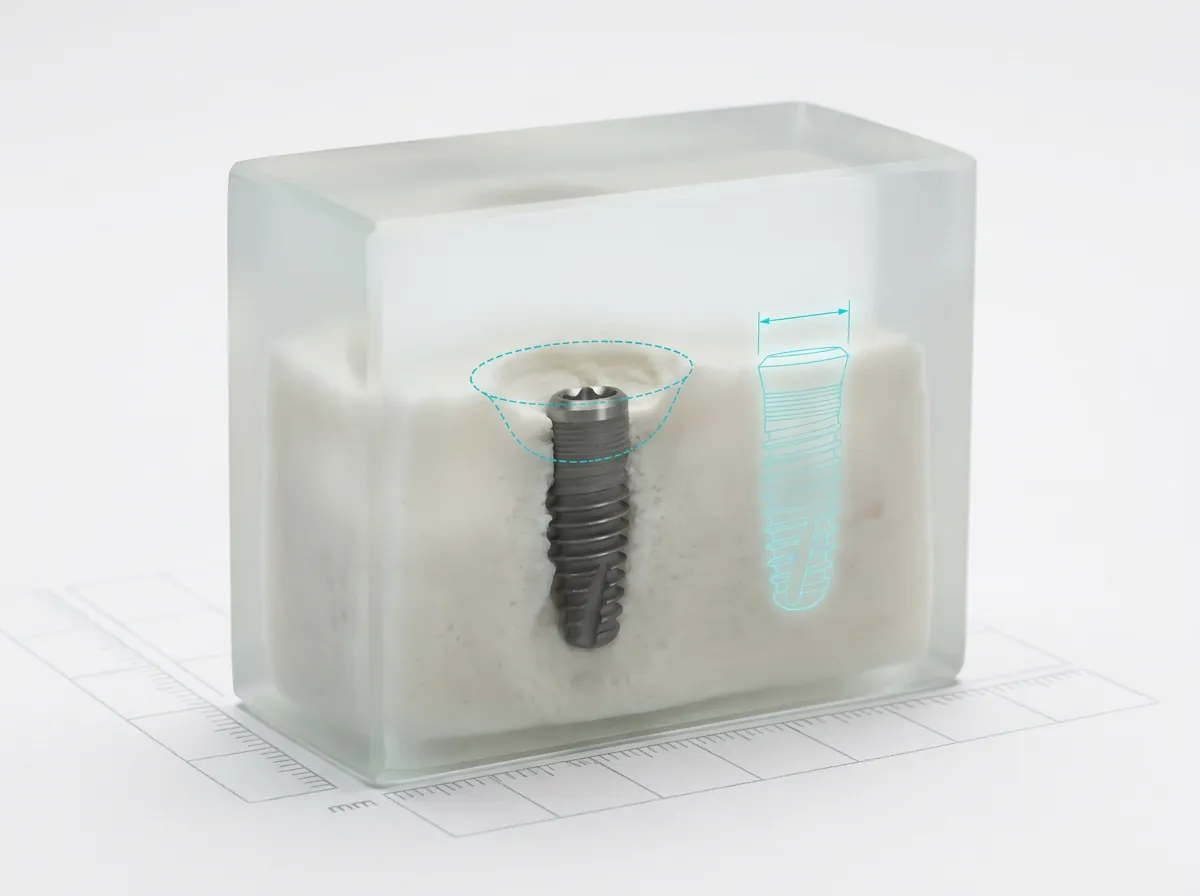
Illustration of a clear bone block with a failed implant surrounded by bone loss, next to an outline of the replacement implant
Illustration.

Early vs late failure: why implants fail

When an implant fails tells you a lot about why.

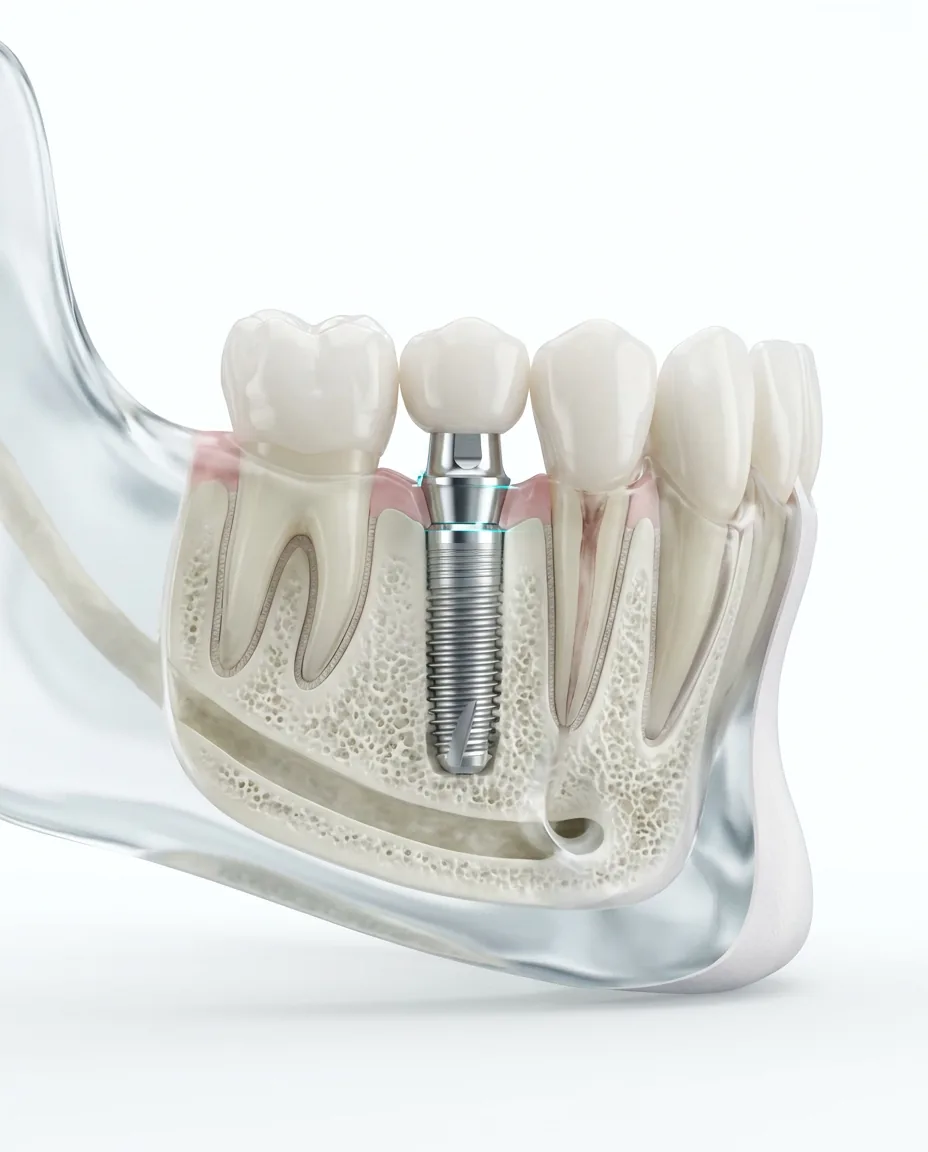
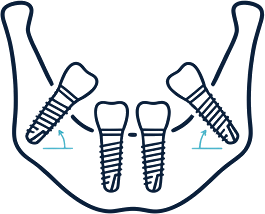
Illustration of a single implant in the lower jaw
Healthy implant · Illustration.
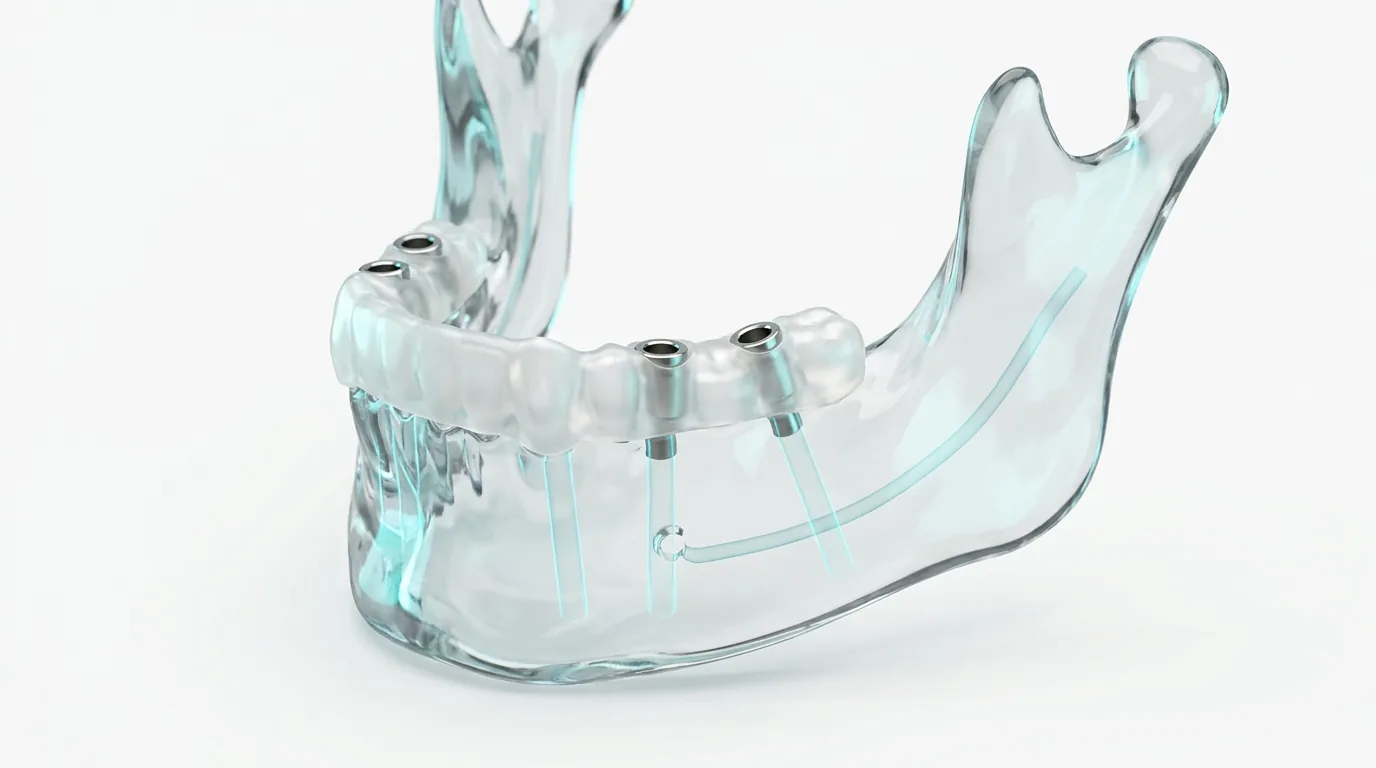
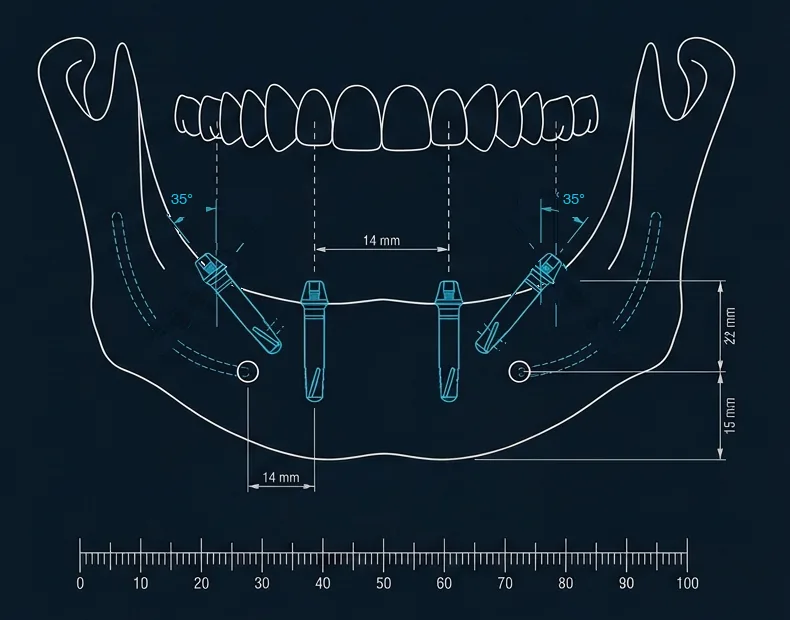
Illustration of a digitally planned surgical guide
Planning · Illustration.
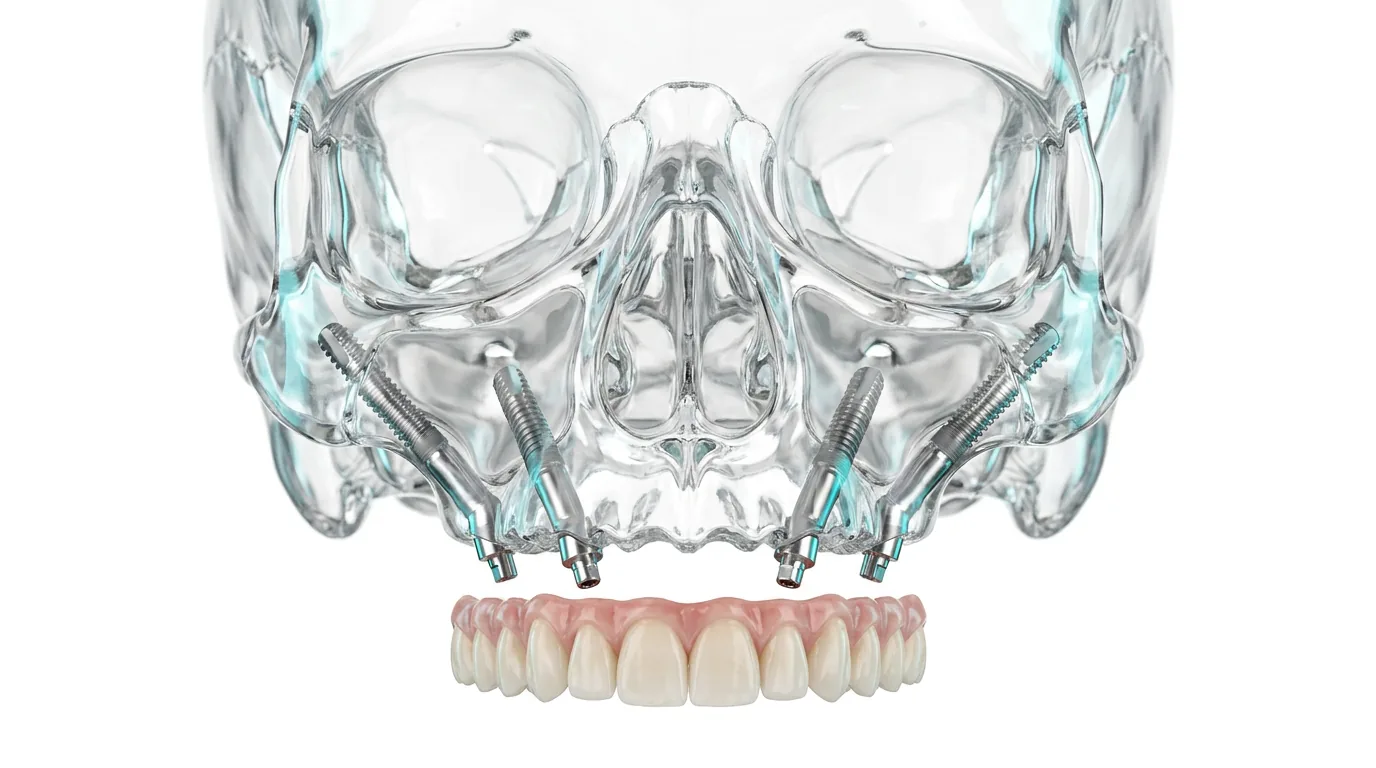
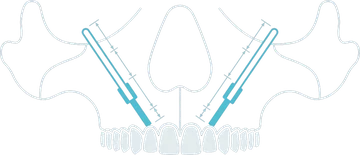
Illustration of zygomatic implants anchored in the cheekbones
Different bone · Illustration.

01

Early failure (first months)

The bone never bonds to the implant. Common factors are poor primary stability, overheating the bone, infection, smoking and diabetes. In the registry study, early failures were 1.56% of implants (review of early failure (opens in a new tab)).

02

Late failure (after loading)

The bond is lost later. A systematic review of late implant failure (opens in a new tab) linked it to a history of periodontitis, radiation therapy, very soft bone, posterior position, low initial stability and grinding.

03

Peri-implantitis

The most common late cause: bacteria around the implant inflame the gum and destroy bone, like gum disease around a tooth. Poor cleaning access under a bridge makes it worse.

04

Planning and mechanics

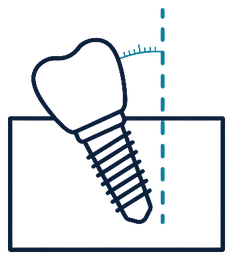
An implant placed in the wrong angle or depth, a crown that overloads it, or an implant too close to the sinus or nerve. These are the cases where a 3D plan matters most.

Peri-implantitis and implant bone loss

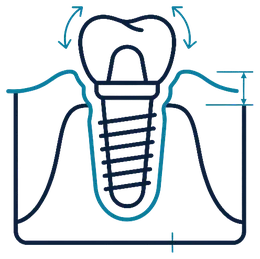
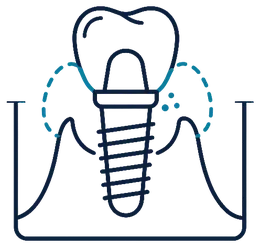
Peri-implantitis starts as peri-implant mucositis: inflamed gums around the implant, still reversible with cleaning. If it progresses, the infection eats into the bone that holds the implant. On an X-ray, that shows as implant bone loss, a cup-shaped dip around the top of the implant.

Early cases are treated with deep cleaning of the implant surface, antiseptics and better home care. Advanced cases may need surgery to clean and reshape the area, sometimes with a graft. When too much bone is gone, removing the implant is safer than keeping an infection in the jaw. The European Federation of Periodontology (opens in a new tab) and the MSD Manual (opens in a new tab) summarize the treatment options.

Cross-section illustration of the bone around an implant, where peri-implantitis causes loss
Illustration.

What can be done: saving or replacing the implant

The options run from the simplest to the most involved. Your scan decides which ones are realistic.

Treat and keep it

When bone loss is limited and the implant is stable: cleaning, decontamination, sometimes regenerative surgery, and closer maintenance.

Remove, graft, replace

The implant comes out, the site is cleaned and often grafted, and a new implant goes in once the bone heals. This is classic dental implant replacement.

Anchor in different bone

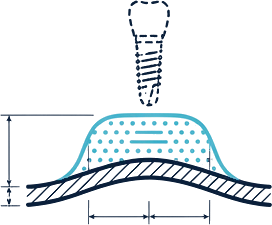
When failed implants or grafts have left little bone in the upper jaw, zygomatic implants or pterygoid or subperiosteal implants can skip the damaged area.

Rethink the whole arch

When several implants under a bridge are failing, a new full-arch plan may be safer than fixing one at a time. See full mouth dental implants.

How a second opinion works

You don’t have to change providers to get one. You just need your scan.

  1. Send what you have.

    Your CBCT (DICOM files) or recent X-rays, the implant brand if you know it, and what has been happening.

    Your original dentist doesn't need to be involved.
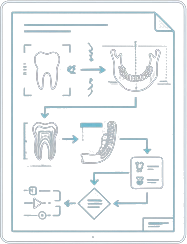
  2. Written review.

    A surgeon reviews the bone around the implant and tells you, in writing, whether it looks treatable, replaceable or needs a different approach.

    Typically: 1–2 business days.
  3. Options and a quote.

    If treatment makes sense, you get a written plan with the options and an itemized quote.

    No pressure to book.
  4. Treatment, or back to your dentist.

    Many people take our written opinion back to their own dentist. That is fine with us.

    Dentists can refer too: see our page for dentists.

Dentists with a failed case can send it through our page for dentists. If grafting is part of the plan, read about dental implants with bone loss.

Before you replace a failed implant: what to ask

  • Why did it fail? Without an answer, the replacement can fail the same way.
  • How much bone is left, measured on a 3D scan, not estimated on a 2D X-ray?
  • Does the plan need a graft, and how long before the new implant?
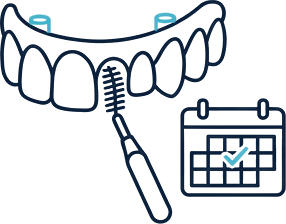
  • What changes in maintenance so it doesn’t happen again: cleanings, a night guard, access to clean under the bridge?
  • What does the quote include, and what happens if the new implant doesn’t integrate?

The FDA asks patients to report problems with dental implants (opens in a new tab), and its guide is a good reference for these conversations. Costs are compared case by case in dental implant cost in Mexico vs California.

You already did this once

A failed implant often means you paid, healed, trusted the process, and it still didn’t work. Going through it again takes more than a new plan. It takes someone who explains what went wrong without blame.

That is the conversation we want to have first. The surgery, if you need it, comes after.

Send your scan. Get a written answer. No pressure.

Hands around a cup of coffee next to buttered toast at a sunny kitchen counter

Frequently asked questions

Bleeding or swelling around the implant, pain when chewing, pus or a bad taste, gum recession with threads showing, and movement of the implant itself. A loose crown can be just a screw; a moving implant is a failure.

An infection around a dental implant that inflames the gum and destroys the bone that holds it, similar to gum disease around a tooth. Early stages are reversible with cleaning; advanced cases may need surgery or removal of the implant.

Usually, yes. The implant is removed, the site is cleaned and often grafted, and a new implant is placed after healing. When there isn’t enough bone, implants can be anchored in different bone, such as zygomatic implants in the upper jaw.

Early failures happen when bone doesn’t bond to the implant, often linked to poor stability, infection, smoking or diabetes. Late failures are most often caused by peri-implantitis, overload or grinding, and are more common with a history of gum disease.

Yes. Send your CBCT or X-rays and get a written review. Many people take that opinion back to their own dentist.

It depends on whether the site needs a graft and what type of implant is planned. We quote it in writing after reviewing your scan. A single implant with crown starts at $2,200 at Implantology, before any graft.

Get a straight answer about your implant.

Send your scan from home. Dr. Cortés’ team reviews it and tells you, in writing, what can still be done.

This page is for general information and does not replace a professional evaluation. Every treatment plan depends on an individual clinical examination and imaging. Results vary from person to person.